
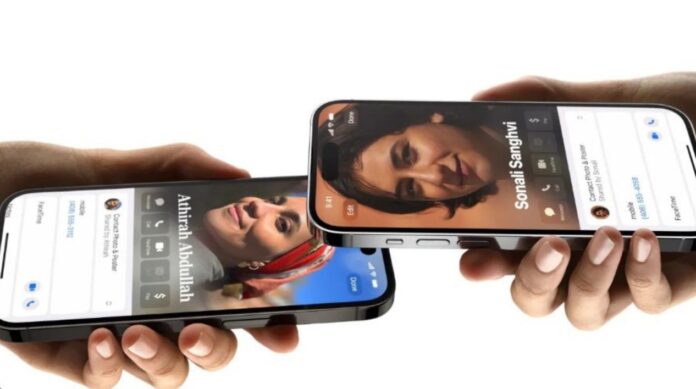
Google is moving closer to releasing Gesture Exchange. This feature lets two Android phones share information with a simple tap. The moment the devices touch, a soft animation appears, which gives the whole action a smooth and almost ceremonial feel. Earlier reports suggested Google was building its own version of Apple’s NameDrop. With new clues showing up, the company is now shaping the visual details that will support the feature.
Google Gesture Exchange is taking clearer form
A recent teardown of Play Services Beta version 25.49.31 revealed a new animation linked to Google Gesture Exchange and Contact Exchange. This discovery shows that Google is not only working to match NameDrop but also trying to bring the same level of polish. The animation appears near the top quarter of the screen and glows in a warm orange tone that slowly spreads outward. It feels simple, calm, and very intentional.
When the feature is complete, the animation should end with a contact card or sharing screen. At the moment, these parts aren’t included yet, meaning we only get the basic motion. Still, even unfinished, it shows a glimpse of Google’s direction.
NFC placement could make things tricky
One problem Google will need to solve is the wide range of NFC antenna positions across Android devices. Since different phone makers place the antenna in different spots, the gesture will not feel the same everywhere. Without proper tuning, the tap might fail or force users to shift their phones around until they line up the connection. For a feature meant to feel simple, this is something Google will need to handle carefully.
When will Google Gesture Exchange arrive
There is no set date yet. The missing parts, combined with Google still tweaking the look, mean it’s probably not coming soon. Could pop up in a later Pixel update – or maybe wait till Android 17 rolls around. While they keep testing and fixing things, expect little clues to appear now and then.
Google Gesture Exchange already looks promising. The new animation gives us a small but clear view of what Google wants to build, and it points to a feature designed to feel natural, quick, and pleasant to use.