

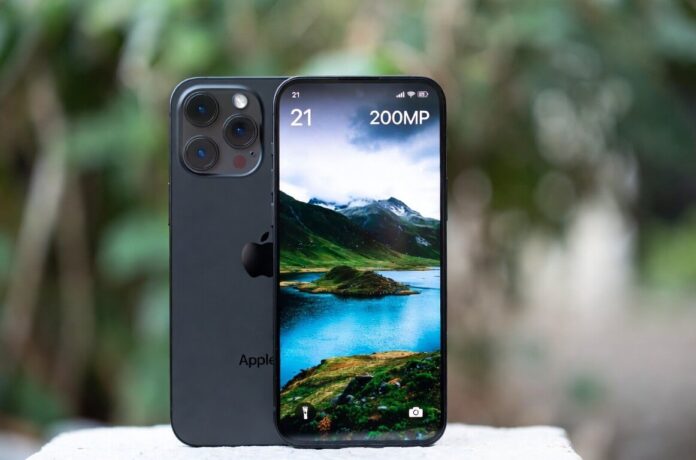
iPhone 21 Could Include a 200MP Samsung Camera. Rumors point to a major iPhone change: a camera hidden under the screen, possibly ending the notch for a seamless front. Many have anticipated this for years, and it may finally be near.
Not every high-resolution race ends quickly. Phones running Android often now pack 200-megapixel cameras. Yet Apple walks its own path here. A jump to such sharp imaging on iPhones feels far off. Hints point toward 2028 before it happens. The iPhone 21 might finally take that leap.
Table of Contents
iPhone 21 and Apple’s gradual move toward 200MP
Apple delays 200 MP camera plan, per Morgan Stanley data via AppleInsider. It was rumored for the iPhone 18 once. Now likely waits until iPhone 21 instead.
It seems Apple is waiting on purpose. The company has never focused on just big numbers. Instead, they care more about image clarity, accurate colors, and consistent results. Impressive specs don’t guarantee good photos, and Apple knows this well.
With these iPhone 21 camera advancements in mind, supplier changes come into focus. Samsung Could Supply the 200MP Sensor.
Few saw it coming, yet not many expected it, but signs suggest Samsung will provide a 200-megapixel sensor. This would end Apple’s long reliance on Sony for camera parts. Having Samsung on board means Apple isn’t putting all its eggs in one basket. When shortages hit, that backup plan can keep production moving without relying too heavily on a single source.
Camera Manufacturing Could Move to the United States
iPhone 21: Location plays a role, too. Production of certain camera parts might happen at Samsung’s plant in Austin, Texas. That move aligns with Apple’s push to expand U.S.-based manufacturing.
What’s happening at Apple isn’t unique. More pressure is building every day for companies to build things nearby rather than far away. Take NVIDIA, for example – they’re getting the same push to bring production back.
These changes set the stage for another long-awaited update. A Full-Screen iPhone Is Getting Closer.
Some experts believe Apple could hide Face ID under the display by 2027, 20 years after the first iPhone, removing the notch and front-facing holes.
One thing that won’t change is the company making the hardware. Still, the design will probably look more refined. The main goal is to hide the sensors completely, but everything still needs to work perfectly.
LiDAR and Expanded Suppliers
Rumors suggest Apple has contacted STMicro about supplying LiDAR components. This shows that Apple is seeking multiple suppliers for key camera technologies, rather than relying solely on existing partners.
When there are supply shortages or big price changes, this approach helps keep things steady. Over time, Apple can get better prices by using multiple suppliers.
These hardware and supply chain choices influence more than components; they can also change pricing. Higher Costs Could Lead to Higher Prices?
Price hikes often follow pricier components. Still, Apple might cover the extra expense instead of charging customers at first. That approach isn’t unfamiliar. In past years, both Apple and Samsung managed to reduce chip and memory expenses just like this.
Price stability is crucial when making a purchase. Some people value consistent improvements at reasonable costs rather than big numbers that have little effect on how they actually use things.
iPhone 21 Preview: What Happens First
Another rumor says iPhone 18 Pro may launch in 2025 with the A20 chip and improved performance and battery life.
A new camera design could be more useful for daily use. There are rumors of a variable aperture, which helps in different lighting conditions and gives users more flexibility. This improvement doesn’t require increasing the pixel count.
Some say Apple might reveal its initial foldable phone near the end of 2026. Rumors point to careful attention being paid to how tough it is and how well it bends when closed. The timing seems aimed at arriving just ahead of the two-decade mark for the iPhone’s debut.
The Bigger Picture
Slow steps beat fast claims at Apple. When the 200 MP camera iPhone 21 arrives, usefulness comes before numbers on a page. Only after testing every angle does anything ship. Display shape matters. So does lens clarity. Even though how well things hold up counts more than the speed of release. People stick around because consistency feels familiar.