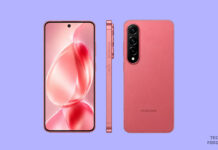


Something new stirs at Samsung. Close to showtime, hints leak through quick clips – each one zooms in on smarter camera tricks powered by artificial intelligence. Not loud, but clear. A fresh wave of Galaxy S26 phones nears arrival. Quiet films, heavy meaning. Expectations rise without a word spoken. It is not a routine camera refresh. It is a recalibration of how images are captured, reshaped, and reimagined directly on a handset.
The spotlight rests firmly on intelligent image reconstruction and expressive manipulation. Mobile content creators, especially those who live inside short-form video platforms, are the prime audience.
Table of Contents
Galaxy S26 Series: A Text-Driven Editing Engine at the Core
At the heart of the Galaxy S26 series lies a language-aware editing system. Instead of wrestling with sliders and layered menus, users can describe what they want. The device interprets written or spoken instructions and translates them into nuanced visual edits.
Samsung is positioning this as a seamless cradle-to-completion photography cycle. From capture to refinement, everything remains within the smartphone’s ecosystem. Owners of the Galaxy S26, Galaxy S26+, and Galaxy S26 Ultra are promised an uninterrupted creative corridor, with no detours to third-party software required.
Generative Restoration, Repairing What Was Lost
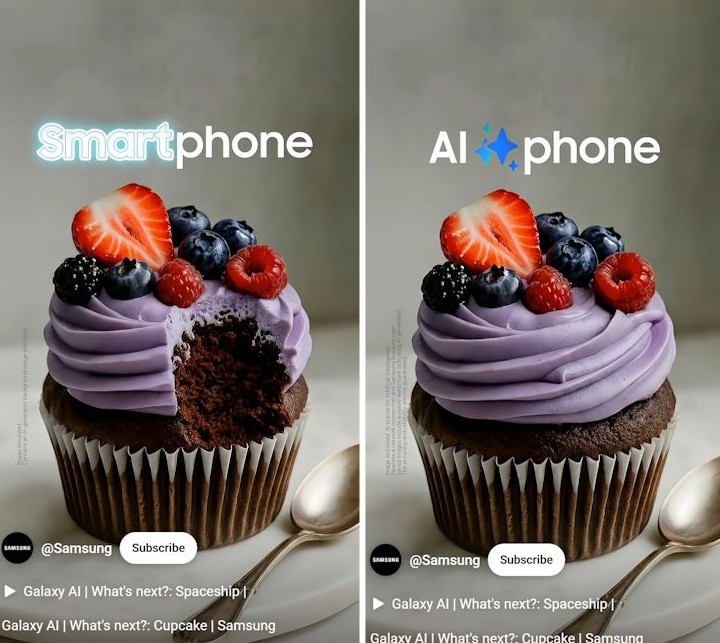
One of the more striking additions is a tool called Generative Restoration. Its mission is deceptively simple, yet technically ambitious. It reconstructs missing portions of an image during post-processing.
Imagine a photograph of a cupcake with a conspicuous bite taken out of it. Rather than discarding the shot, the AI studies texture, lighting, and context, then rebuilds the missing section with uncanny cohesion. The result does not appear pasted or artificial. It blends, as though the cupcake had never been disturbed.
This system leans on contextual inference and scene comprehension. It assesses what should exist in a particular space and generates it with visual fidelity that aligns with surrounding elements.
Environmental Alteration, Reshaping Reality
Samsung is not stopping at repairs. The Galaxy S26 series ventures into environmental transformation with a feature called Environmental Alteration.
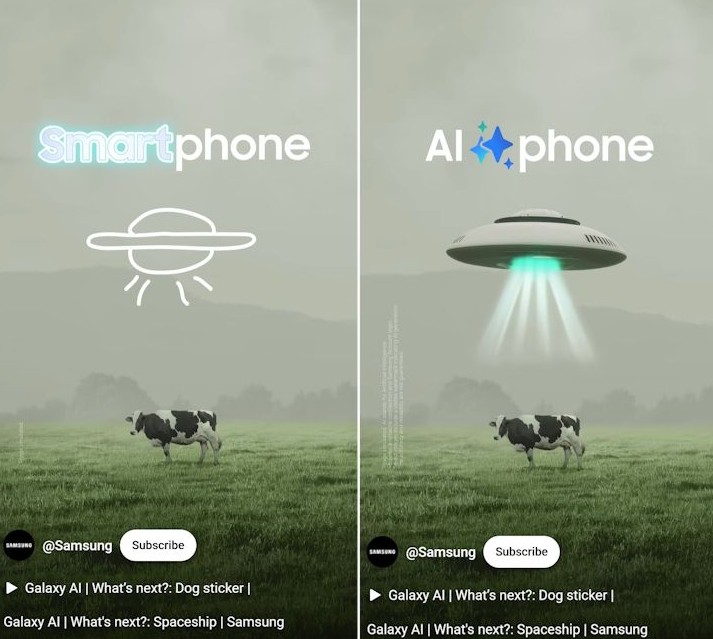
Users can sketch a crude outline, even something as whimsical as a UFO hovering in the sky. The on-device intelligence interprets the sketch and renders it into a photorealistic object integrated into the frame. Lighting adjusts. Shadows respond. Perspective aligns.
Beyond inserting objects, the tool can also withdraw them. Distracting background clutter can vanish. The entire atmospheric conditions can shift. Daylight scenes can morph into nocturnal compositions. Skies can darken, brighten, or gather clouds. The mood of a photograph becomes pliable, like clay in a sculptor’s hands.
Full Spectrum Scene Transformation
The Galaxy AI suite also grants authority over broader aesthetic elements. Users may recalibrate illumination, deepen shadows, or reconstruct the sky itself. A mundane afternoon snapshot can evolve into a cinematic twilight tableau.
This approach signals a deeper ambition. Samsung appears intent on granting users editorial sovereignty over every pixel. Instead of minor retouching, the Galaxy S26 series encourages dramatic reinvention.
Image Merging, Collage Without Seams

Another teased capability is Image Merging. This feature enables the fusion of multiple photos into a single coherent composition.
Elements from different shots can coexist naturally within one frame. The system aligns color science, scale, and lighting to maintain visual continuity. Beyond merging, users can also alter the stylistic character of the final image. A realistic photograph can be transfigured into a cartoon-inspired rendering or a simplified two-dimensional aesthetic.
The boundaries between photography and illustration begin to blur.
Galaxy Unpacked and the Expanding AI Ambition
All signs suggest that the upcoming Galaxy Unpacked event will be saturated with Galaxy AI demonstrations. Samsung’s strategy feels deliberate. Make sophisticated image manipulation intuitive. Remove friction. Democratize creative control.
Whether these capabilities remain exclusive to the Galaxy S26 series or are rolled out to other models remains uncertain. That answer will arrive soon enough. The official unveiling is scheduled for February 25, 2026.
For now, one thing is evident. Samsung is not merely refining its camera hardware. It is attempting to redefine what a smartphone photograph can become after the shutter closes.
Source: YouTube/ @Samsung