

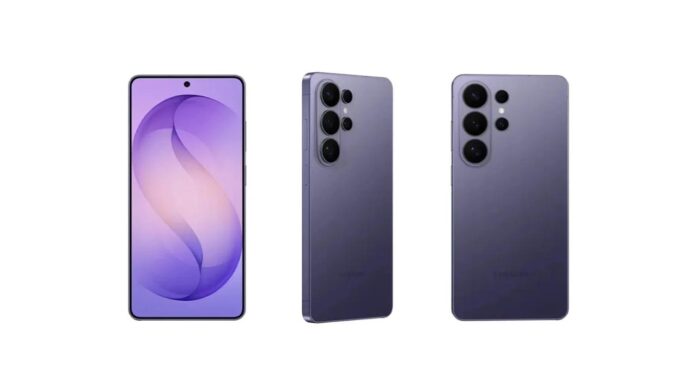
Come February 25, 2026, Samsung’s big reveal in India won’t just show off a new phone. From that moment, glimpses emerge about where high-end phones are heading when tech stops racing forward. Details already out suggest the Galaxy S26 Ultra leans toward smart tweaks rather than a bold reinvention. As systems settle into place, progress tends to favor fine-tuning over sweeping change – this device fits right into that pattern.
Table of Contents
Galaxy S26 Ultra: Design Consistency and Material Cues
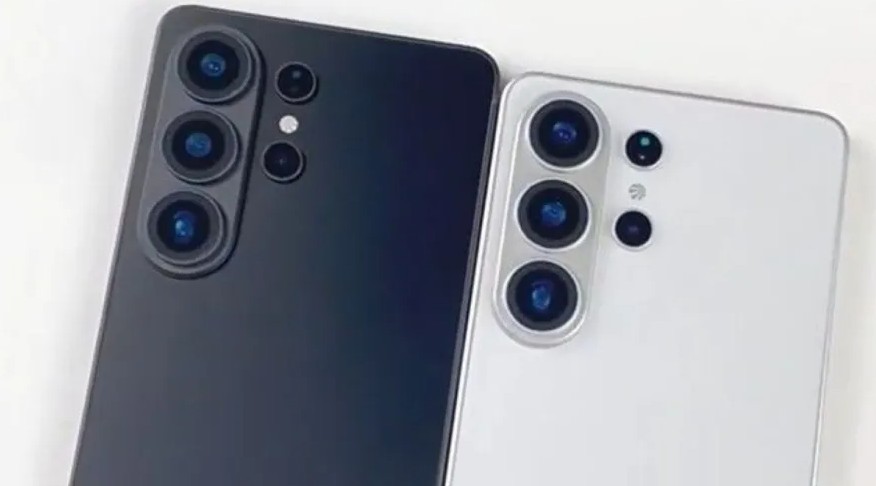
Galaxy S26 Ultra: Shape and Look
Pictures show a Galaxy S26 Ultra that looks familiar yet different. Its outline is easy to spot from afar. Rounded edges give it a calmer feel than before. The bezels shrink discreetly. The new camera layout stands tall down the back and lines up neatly. Shape shifts slightly but stays predictable. Design choices clearly favor evolution over revolution.
Small changes in the shape build comfort through repetition and suggest progress. Control, not chaos, shapes the Ultra series, holding to what works while shifting forward.
Galaxy S26 Ultra: Materials and durability claims
One rumor points to a titanium build, Gorilla Glass Victus 2, and an IP68 rating. That mix conveys a clear message: this thing should last. Materials aren’t picked at random; they tell a story of staying power. Seen that way, it feels less like a gadget you swap yearly. Still, real longevity depends on how easy repairs are and on updates over time.
Galaxy S26 Ultra: Screen Types and Data Protection Design
Galaxy S26 Ultra: Core Display Specifications
A screen measuring 6.9 inches should return, sharp enough to hit QHD+, built with LTPO tech that adjusts up to 120Hz on its own. Even if that sounds powerful today, similar setups already fill top-tier Android models across brands. So the real issue isn’t raw specs – it’s finding space where this one stands apart amid crowded competition.
Hardware-Based Privacy Control
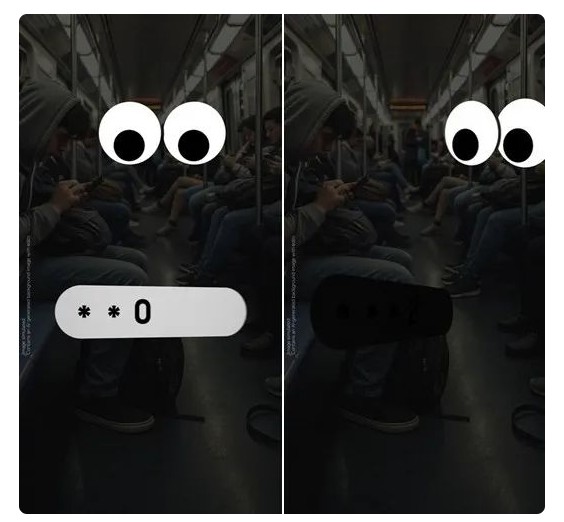
A fresh twist comes from the inclusion of a built-in privacy screen that blocks sideways glances. This means onlookers can’t easily see your content from off-center angles, potentially making personal and work use more secure in public or crowded places.
Still, we should look closely at this change. Even though more privacy might deter casual peeping, it can limit moments when folks watch things together. This choice in how it was built ties into wider talks about watching, being watched, who gets access, and who decides – topics that come up often in research on surveillance and how humans use tech.
Performance Architecture Shapes How Long Software Lasts
chipset and memory setup
Starting strong, the Galaxy S26 Ultra runs on a Snapdragon 8 Elite Gen 5 chip. It teams that with up to 16GB of fast LPDDR5X memory. Storage scales up to 1TB with efficient UFS 4.1 tech. Because of this mix, heavy tasks like gaming feel smooth. Multitasking handles without pause. Even AI-based jobs move quickly. Performance sits near the top of today’s smartphone range.
Still, speed alone fails to capture how smooth things feel. Heat control kicks in, tweaks how fast it runs. Software updates change behaviour behind the scenes. Hidden tasks running quietly reshape what actually happens day to day.
Galaxy S26 Ultra: Extended Software Support
One way Samsung might change how people see high-end phones? Sticking with seven years of updates. When tech gets called disposable, long software care stands out. Support that lasts – this could make the Ultra feel more like a tool you rely on. Not just another gadget chasing trends.
Energy Systems and Charging Ecology
Battery Size and How Fast It Charges
Galaxy S26 Ultra: That 5,000 mAh battery? It’s more of the same, not a leap forward. Charging could get slightly faster – rumours point to 60W over cable. Wireless still works, yet whether it’ll adopt fresh tech like Qi2 feels shaky at best.
Speed, heat control, and battery life pull in opposite directions in charging systems. Because of this tension, more watts can backfire unless energy flow is handled with precision.
Imaging System with Computational Mediation
Sensor Array with Video Features
Galaxy S26 Ultra Camera details point to a 200-megapixel main lens on the S26 Ultra, paired with periscope zoom optics and an ultra-wide option. Recording capabilities can reach 8K resolution every 30 seconds, though clips snap at 30 frames per second. Up front, a selfie video might maintain 4K quality by cycling through 60 snapshots per second.
Picture quality isn’t just about how many megapixels a camera has. The Ultra aims high when it comes to shooting photos and making content. What really shapes how good an image looks? Behind-the-scenes math matters more – like how software handles light, colour, and contrast. Often, smart processing beats raw specs.
Pricing Models and How People Think About Cost in India
Projected Price Tiers
Galaxy S26 Ultra Priced to begin around Rs 1,39,999 for the most basic model, though versions with more storage may climb close to Rs 1,75,999. Since memory prices have shifted and other supply-related strains have emerged, the numbers have edged higher.
Price points push people to compare options. Upgrades may not seem worthwhile if last year’s model drops in price. Some value longevity, others prioritise updates over time. Brand loyalty can also be important, especially if devices are already compatible. Priorities shift depending on whom you ask.
Conclusion. Incremental Innovation in a Stabilised Market
The Galaxy S26 Ultra feels like one step forward. It fine-tunes what’s already there: familiar shape, small shifts, and power that builds on last year’s foundation. Updates appear promising, but nothing screams revolution. Progress here is cautious. Expect refinement over reinvention.
These days, fresh hardware changes happen less often, so standing out might come down to long-term updates, build quality, or how well everything fits together. If the S26 Ultra truly improves daily use, it won’t be clear until real-world testing follows its release. Currently, it serves as an example of how top-tier phones strike a balance between familiarity, expectations, and incremental improvements when innovation slows.